Suspected Cardiac Arrest
Our initial use case is a dispatcher-authorized AED response while EMS is en route.
- 00:00911 call received
- 00:28Deft launch
- 02:31Autonomous arrival
- 06:03EMS arrival

Deft is designed to supplement EMS crews. It does not replace them.
An AED can only help after it reaches the patient. Today, that equipment is usually carried to the scene by a responding crew.
Since the 911 call
Understands the incident and determines whether autonomous response could help.
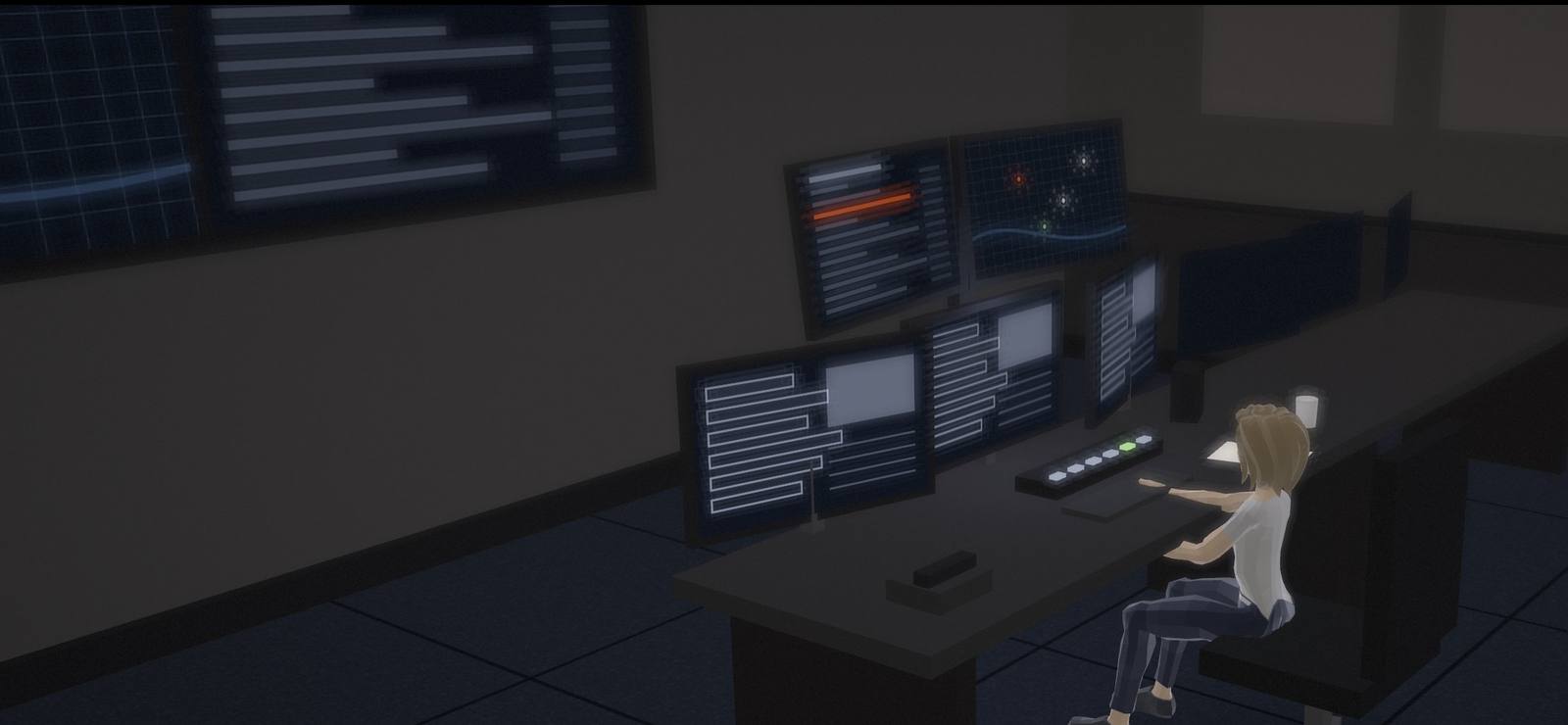
Deft is the software layer that lets an EMS system request an AED response without choosing a particular aircraft or manufacturer.
Switch a network off.
Mission continues on 5 paths.

Our initial use case is a dispatcher-authorized AED response while EMS is en route.
Every mission should have a reason, an authority, a policy, and a record.
A drone is offered only for an incident the policy says it can help, and the record says which.
Nothing launches until a person with the authority to send it says yes.
EMS leaders set when the system may recommend, hold or decline a response, and what it keeps.
Every decision and every change of state is written down, in order, for review.
Hospitals, EMS facilities and civic buildings can each host an AED response. Every site added brings more calls within reach.
0 of 64
calls on this map within reach of an AED
Deft is in development. The next step is learning how an AED response should fit real dispatch, clinical, operational, and purchasing workflows.
When should an AED response be suggested, and where should authorization fit into call handling?
What information, handoff, and failure modes determine whether this helps in practice?
Who owns the outcome, the procurement path, and the case for funding?
Building software for faster, dispatcher-authorized AED response.